



How to Troubleshoot Allison CT/CLT-750/754 Transmission Leaks: The Ultimate Guide?
For enterprise maintenance engineers, heavy-duty fleet managers, and repair technicians operating complex heavy machinery, unplanned downtime is the ultimate enemy. In highly demanding environments like deep-pit mining fields, large-scale construction sites, and volatile petrochemical plants, heavy-duty dump trucks, haulers, and specialized industrial equipment depend heavily on high-performance hydraulic transmissions. As a leading, trusted global provider of critical industrial automation spare parts, we understand that these heavy transmission systems operate under relentless, high-load cycles and harsh environmental pressures. Over thousands of continuous operating hours, a common yet highly critical vulnerability inevitably emerges: transmission fluid leaks. A minor fluid leak is never just a localized mess on your workshop floor—it is a clear, urgent warning sign of rapid internal pressure drops, clutch slippage, and impending catastrophic transmission failure.
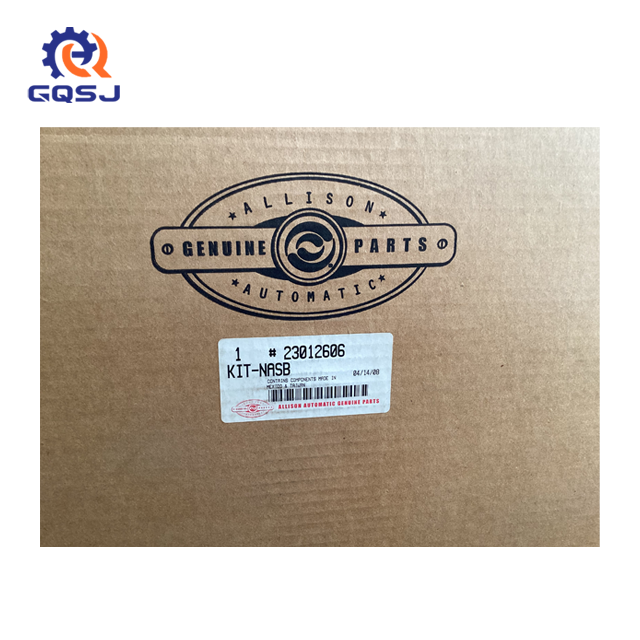
To prevent sudden operational halts, minimize massive financial losses, and ensure long-term machine reliability, deploying a premium Allison 23012606 component seal set during your regular preventive maintenance schedule is the most effective strategic solution. This comprehensive guide breaks down the technical reasons behind transmission leaks in the Allison CT/CLT-750/754 series and provides a structured protocol to troubleshoot and resolve them permanently.
Why Do Heavy-Duty Transmission Seals Fail? Technical Analysis
Understanding the precise engineering root causes of a fluid leak is essential before your maintenance team initiates any mechanical repair workflow. Allison heavy-duty transmissions use transmission fluid not just for basic gear lubrication, but as a critical hydraulic working medium to engage clutch packs and dissipate intense heat. When seals compromise, the entire system degrades. In industrial environments, fluid seals and gaskets fail due to three primary environmental and mechanical stresses:
A. Thermal Degradation and Hardening
Continuous high-load operations generate intense internal heat, with oil temperatures frequently spiking under heavy loads. Standard elastomeric O-rings, rubber seals, and paper gaskets are rated for specific thermal thresholds. Over extended periods, constant exposure to extreme heat cycles causes these soft compounds to leach out their plasticizers. The result is thermal hardening; the components become completely brittle, lose their natural elasticity, and develop micro-cracks. Once a seal loses its ability to flex, it can no longer maintain a tight interface against the rigid metal transmission housing.
B. Rotational Friction and Environmental Mechanical Wear
Moving dynamic interfaces, such as the front input shaft and the rear output shaft, experience constant rotational friction. The seals at these locations are designed to ride smoothly on a microscopic film of oil. However, in mining and field environments, abrasive dust, mud, sand, and chemical residues constantly bombard the machinery exterior. If external dust boots wear out, these tiny particles enter the seal tracks. These contaminants act as an abrasive paste, scoring the softer sealing materials and creating deep micro-grooves in the metal shafts. Additionally, if the transmission fluid becomes contaminated with microscopic metal particulates from internal gear wear, it cuts the seals from the inside out.
C. Pressure Fluctuations and High-Frequency Vibrations
The erratic hydraulic spikes required for shifting heavy equipment put intense structural stress on the main housing splits, valve bodies, and oil pans. Hydraulic pressure within an Allison CLT-754 can fluctuate rapidly depending on load demands. These sudden pressure variations put immense outward force on static gaskets. Furthermore, the high-frequency structural vibrations generated by off-road heavy machinery can cause transmission pan bolts to loosen slightly over time. This minor torque loss allows localized high-pressure fluid to bypass the weakened gasket, turning a microscopic weeping point into an aggressive, active leak.
Step-by-Step Diagnostic Protocol for Maintenance Teams
When a machine shows initial symptoms of power loss, delayed gear engagement, harsh shifting, or a rising oil temperature gauge, technicians should immediately execute this structured troubleshooting checklist:
[Clean the Case Housing] ➡️ [Inspect High-Risk Zones] ➡️ [Analyze Fluid Level & Odor] ➡️ [Execute Target Component Rebuild]
Step 1: Thoroughly Clean the Transmission Case Housing
It is impossible to find the true origin of an oil leak on a machine covered in layers of road grime, old grease, and hydraulic fluid. Use a high-quality industrial degreaser or steam cleaner to wash away all contaminants from the entire transmission exterior. Dry the case completely with compressed air so that any fresh fluid paths become instantly visible.
Step 2: Inspect High-Risk Sealing Zones
Run the machine briefly up to its normal operating temperature to build up hydraulic pressure. Utilizing a high-intensity flashlight (or a specialized UV leak detection dye injected into the fluid system), carefully inspect the high-risk zones. Pay close attention to the oil pan perimeter, the torque converter housing interface, the input/output shaft bearing caps, and the main case split-lines where the transmission segments bolt together.
Step 3: Analyze Hydraulic Fluid Level and Quality
Check the transmission fluid level via the dipstick while the engine is idling at operating temperature. Beyond checking the level, analyze the fluid's quality. If the transmission oil has a distinct, pungent burnt odor or shows a dark brown/black discoloration, the internal seals have likely already failed due to extreme overheating. If you see metal flakes or a milky texture (indicating water contamination), a superficial patch job will not save the transmission; a comprehensive teardown is required.
Resolving Leaks with a Premium CLBT700 Overhaul Kit
Patching a single leaking seam or applying external silicone sealants is a short-sighted, temporary fix that guarantees future equipment failure. When one gasket degrades due to age and thermal stress, all other internal sealing elements within the assembly are exposed to the exact same harsh conditions and are usually on the verge of failing as well.
The most efficient, cost-effective way to restore full system integrity and guarantee long-term operational peace of mind is a complete rebuild using a dedicated CLBT700 overhaul kit. This comprehensive component pack replaces all vulnerable soft parts simultaneously during a single maintenance window, ensuring uniform sealing across all high-pressure internal and external interfaces.
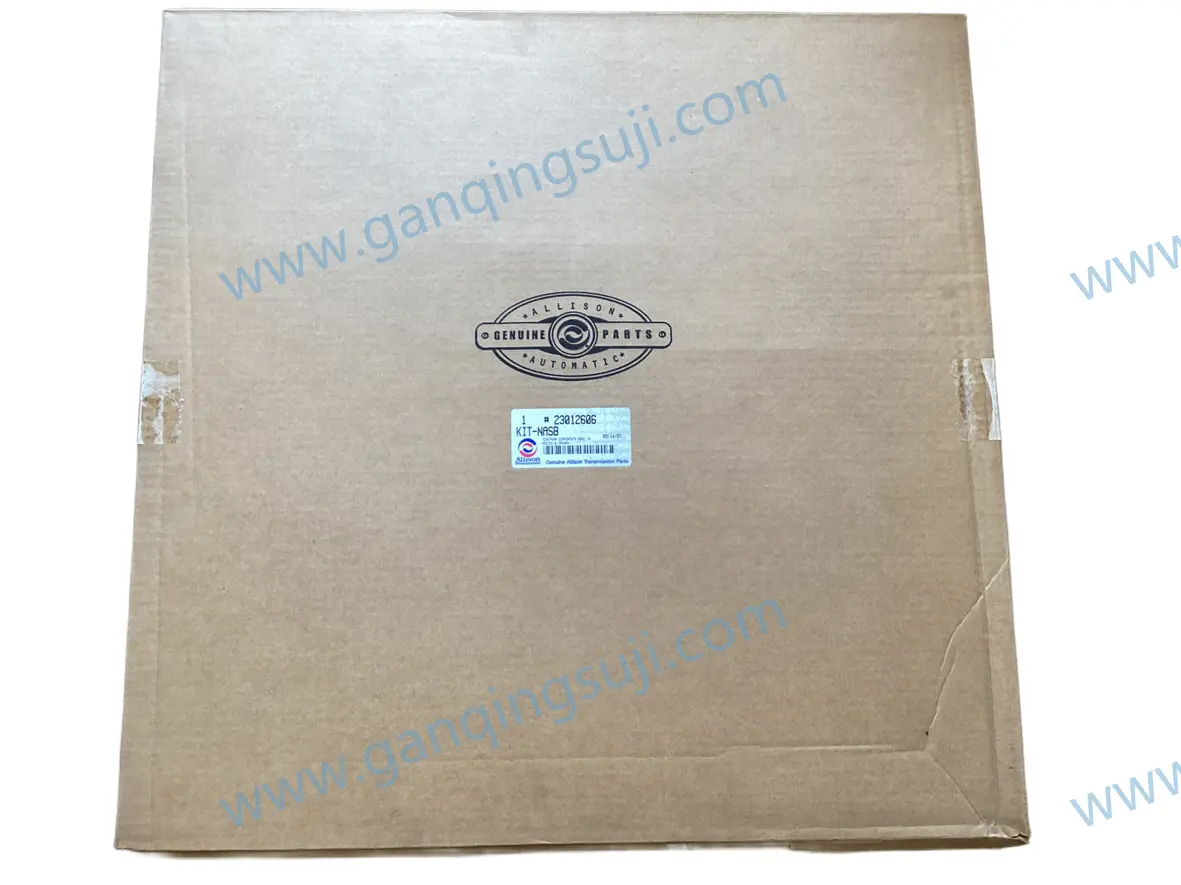
Technical Specifications of the CT700 Gasket Kit
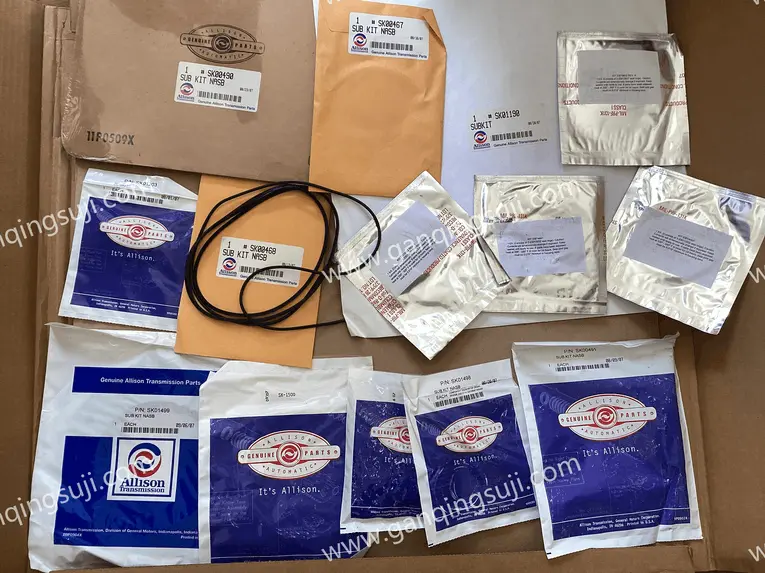
When choosing your replacement parts, always verify that your components meet strict industrial material and manufacturing standards to survive harsh operating conditions. The professional-grade CT700 Gasket Kit supplied by Shaanxi Ganqingsuji includes high-specification elements engineered for durability:
Premium Fluoropolymer (Viton/FKM) O-Rings: Specifically formulated to resist intense chemical breakdown from modern synthetic lubricants and maintain physical elasticity at continuous operating temperatures exceeding 150°C.
Heavy-Duty Oil Pan Gaskets: Designed with precise dimensional accuracy and reinforced backing materials to withstand continuous structural vibrations without shifting or deforming under load.
Premium Dynamic Shaft Seals: Engineered with advanced hydrodynamic lip designs to actively pump oil back into the casing while blocking external environmental contaminants like abrasive dust, mud, and water.
To safeguard your heavy machinery assets, ensure maximum fleet uptime, and protect your company’s operational budget, you must choose a high-quality Allison CLBT700 Overhaul Kit 23012606 to restore transmission efficiency and prevent recurring fluid leaks
Summary Table: Preventive Maintenance Timeline
Inspection Type | Frequency | Critical Focal Point | Action Required |
Visual Walkaround | Daily before shifts | Oil pan perimeter & shaft joints | Check for red/brown fluid puddles under the chassis |
Fluid Level & Quality Check | Weekly | Fluid level & dipstick oil smell | Top off fluid to OEM spec; check for dark color or burnt odors |
Pressure Verification | Monthly or during service | Main pressure test ports | Monitor for internal hydraulic pressure drops or leakage |
Full Sealing Overhaul | Scheduled Turnarounds | All static & dynamic seals | Install complete Allison 23012606 kit to reset seal lifespan |
Conclusion
Managing transmission leaks in heavy industrial machinery requires a combination of quick diagnosis, structured troubleshooting, and reliable replacement parts. By investing in comprehensive, professional-grade sealing solutions rather than temporary external fixes, your engineering teams can significantly extend equipment lifespans, optimize hydraulic shifting pressures, and completely eliminate unexpected operational downtime. Partner with an experienced global supplier to protect your heavy machinery investments. Secure your high-precision Allison 23012606 seal components today by reaching out to the B2B industrial experts at Shaanxi Ganqingsuji.
Email:Sales01@ganqingsuji.com